Starting a small business is no small feat. With countless responsibilities and decisions, it might be tempting to overlook insurance needs. But here’s the catch: having the right insurance can make or break your business. It’s not just about protection; it’s about ensuring a sustainable future for your entrepreneurial dream.
In this guide, we’re diving deep into the world of small business insurance. From understanding the types of coverage you need to exploring cost considerations and real-world case studies, we’ve got you covered. So buckle up, because you’re about to become an expert in safeguarding your small business like a pro.
Types of Small Business Insurance
Did you know that 40% of small businesses will face a property or liability loss in the next decade? That’s a lot of risk. So, how do you protect yourself? The answer is small business insurance.
Small businesses typically need a variety of insurance types to cover different aspects of their operations. From protecting your physical assets to safeguarding against lawsuits, having the right insurance can mean the difference between staying afloat or going under when disaster strikes.
General Liability Insurance
This is the most common type of insurance for small businesses and with good reason. It covers you if your business is hit with a lawsuit for injury or damage. For example, if a customer slips and falls in your store, general liability insurance pays for their medical expenses and your legal costs.
Here’s the deal: It’s not just for physical accidents. It also covers advertising injuries, like if someone claims you copied their marketing slogan.
Professional Liability Insurance
Also known as Errors and Omissions insurance, this is crucial for service-based businesses. If you make a mistake that costs your client money, this insurance covers the legal fees and settlements. Imagine you’re a consultant and you give advice that leads to significant financial loss for a client. Without this insurance, you could be personally liable.
Pro Tip: Always document your work and client interactions. It can save you in a dispute.
Property Insurance
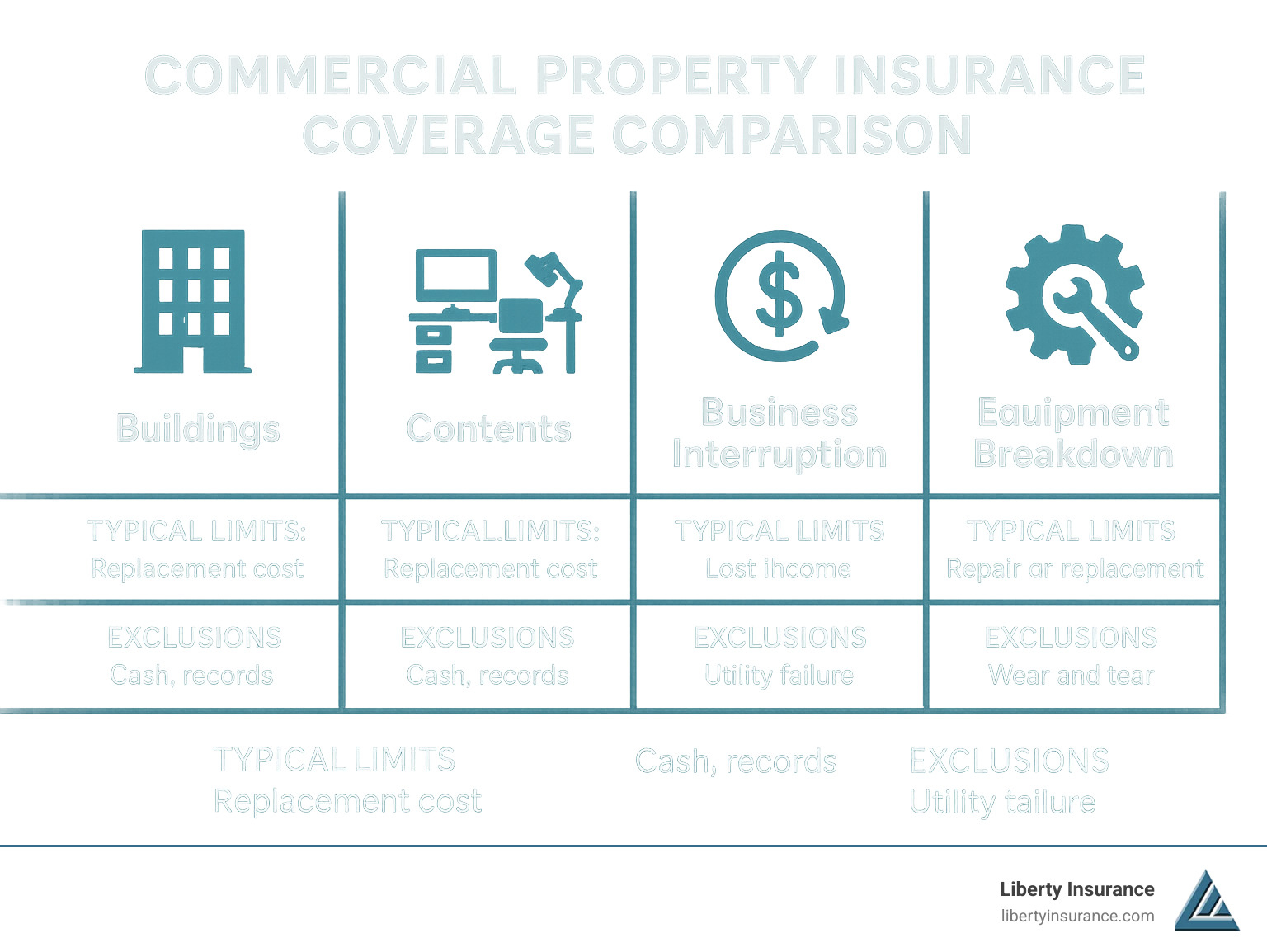
If you own a storefront or office, you need property insurance. It protects your business’s physical assets against damage from events like fires or theft. Let’s say a fire destroys your equipment. Without property insurance, you might have to pay out of pocket to replace everything.
Workers’ Compensation Insurance
If you have employees, this insurance is usually required by law. It covers medical expenses and lost wages if an employee gets injured on the job. Consider a scenario where an employee is hurt using machinery. Workers’ comp covers their recovery costs, so you don’t have to.
Benefits of Bundling Insurance
Many insurers offer bundles, or Business Owner’s Policies (BOPs), that combine different types of insurance into a single package. This can often save you money compared to buying each policy individually. Plus, it simplifies your coverage management by dealing with just one insurer.
- Cost savings on premiums
- Streamlined policy management
- Comprehensive coverage
Importance of Small Business Insurance
Did you know that nearly 40% of small businesses are likely to experience a property or liability loss in the next ten years? Shocking, right? But here’s the thing: many small businesses still operate without insurance.
This is a huge gamble for any business owner. Operating without insurance can mean facing unexpected and often crippling costs, which could easily sink your business overnight. Let’s dive into why having insurance is not just smart—it’s essential.
Potential Risks for a Business Operating Without Insurance
If you think your business is too small to need insurance, think again. Every business, no matter the size, faces risks that could result in financial ruin. Without proper coverage, you’re leaving yourself vulnerable to lawsuits, property damage, theft, and even employee injuries.
Imagine a scenario where a customer slips and falls on your premises. Without insurance, you could be facing thousands of dollars in legal fees and medical expenses. Can your business afford that?
Impact on Business Credibility and Client Trust
Insurance doesn’t just protect your business; it enhances your credibility. Clients and partners often view insured businesses as more trustworthy and stable. This perception can be the difference between securing a big contract or losing it to a competitor.
Let’s face it, when a client knows you’re insured, it reassures them that they’re dealing with a professional. This trust can lead to more business opportunities and a stronger reputation.
Protection Against Unforeseen Legal Liabilities
Legal issues can arise from anywhere. A disgruntled employee or a dissatisfied customer can become legal liabilities overnight. Having insurance means you’re not facing these challenges alone.
Pro Tip: General liability insurance can shield you from unexpected legal battles. It covers costs associated with legal defense, settlements, and judgments. It’s like having a financial safety net when things go south.
Bottom line: Insurance is not just a cost—it’s an investment in the future security of your business.
Cost Considerations for Small Business Insurance
How much are you really paying for peace of mind? Small business insurance might seem like just another bill, BUT in reality, it’s a crucial investment for your company’s future. The trick is figuring out the right balance between cost and coverage.
Here is the deal: the cost of your insurance can vary wildly based on several factors. Understanding these can help you make smarter, budget-friendly decisions without sacrificing coverage.
Factors Influencing the Cost of Small Business Insurance
Have you ever wondered why insurance quotes can be so different? It’s not just a roll of the dice. Your industry, location, and business size all play a role. For example, a construction company will typically pay more than a consulting firm due to higher risk.
Another biggie is your claim history. If you’ve had a lot of claims in the past, expect your premiums to be higher. But if you’ve kept a clean record, you might be eligible for discounts.
Comparing Costs and Benefits of Different Insurance Providers
Choosing the right provider can feel like a maze. To help, here’s a comparison of what’s out there:
| Provider | Coverage | Cost | Benefits |
|---|---|---|---|
| InsureCo | General Liability | $500/year | 24/7 Support, Fast Claims |
| ShieldCorp | Professional Liability | $750/year | Customizable Policies |
| SafeGuard | Property Insurance | $1,200/year | Multi-Policy Discounts |
| SecureBiz | Workers’ Compensation | $1,500/year | Specialized Industry Coverage |
See the variety? Costs can depend on what you need and what each provider offers. Always ask yourself: Are the extra benefits worth the additional cost?
Strategies to Reduce Insurance Costs for Small Businesses
Let’s talk savings. You don’t need to settle for sky-high premiums. One approach is to bundle policies together, like combining general liability and property insurance under one provider.
- Increase your deductible. A higher deductible means lower premiums, BUT ensure you can cover the cost if needed.
- Improve workplace safety. Fewer accidents mean fewer claims and better rates.
- Regularly review your insurance needs. Your business evolves, and so should your coverage.
Pro Tip: Always shop around and negotiate with providers. You’d be surprised how much wiggle room there is in pricing!
How to Choose the Right Small Business Insurance
Did you know that 40% of small businesses have no insurance coverage? Picking the right insurance can make the difference between smooth sailing and disaster.
Choosing the right insurance doesn’t have to be complicated. Here’s a simple step-by-step guide to ensure you get the best coverage for your business.
Step #1: Assess Your Business Needs
First, you need to know what you’re insuring. A restaurant will not need the same coverage as a tech startup. Here’s the deal: Start by listing all your business assets. We’re talking about everything from equipment to intellectual property. Once you have your list, it’s time to consider the risks. What could go wrong? Fires, theft, lawsuits? Knowing your risks will help you choose the right coverage.
Pro Tip: Consult with an industry-specific advisor to identify blind spots in your insurance needs.
Step #2: Understand Insurance Types
Before you rush to the first insurance provider you find, let’s break down the types of insurance you may need. General Liability is a must-have for most businesses. But don’t overlook Professional Liability if you’re in a service industry, or Cyber Insurance if you handle sensitive data. Each type of insurance covers different risks, so tailor your choices to fit your list of business risks.
Step #3: Compare Insurance Providers
Not all insurance providers are created equal. Look for providers that specialize in your industry. Start by researching online reviews and asking for referrals from other business owners. You want an insurer with a strong track record and excellent customer service. Next, get quotes from at least three providers. Compare coverage details, not just the price. A cheaper option might leave you exposed when you least expect it.
Pro Tip: Look for providers that offer bundled policies. These can often save you money while providing comprehensive coverage.
Case Studies of Small Business Insurance Utilization

Ever wondered how some small businesses bounce back from disaster while others crumble? The secret often lies in effective insurance utilization. I’ve got some eye-opening case studies that show how smart insurance choices can make or break a business.
Let’s dive into real-world examples where insurance helped small businesses navigate the stormy seas of risk. These stories aren’t just about survival; they’re about thriving in the face of adversity. You’re about to see the tangible impact of insurance on small business success.
How a Bakery Survived a Fire with the Right Coverage
Meet Jane, the proud owner of a bustling neighborhood bakery. One night, disaster struck—a fire engulfed her shop. But Jane wasn’t worried. Why? Because she had a comprehensive property insurance policy. This coverage not only paid for the repairs but also covered her lost income during the downtime. Her bakery was up and running in just a few months. Not having insurance would have meant the end of her dream.
The Tech Startup That Skipped Insurance
On the flip side, let’s talk about a tech startup that decided insurance was an unnecessary expense. They faced a lawsuit from a client over a data breach. With no liability insurance, legal fees and settlements drained their funds, leading to bankruptcy. It’s a stark reminder that skipping insurance can be a costly gamble.
Comparison of Businesses With and Without Insurance
Check out this table comparing outcomes for businesses with and without insurance when disaster strikes:
| Scenario | Business With Insurance | Business Without Insurance |
|---|---|---|
| Fire Damage | Rebuilt and reopened in 3 months | Closed permanently |
| Client Lawsuit | Covered legal expenses | Faced bankruptcy |
| Natural Disaster | Claim paid within weeks | Out of business |
Pro Tip: Don’t Underestimate the Power of Insurance
Insurance isn’t just an expense—it’s an investment in your business’s future.
The right coverage can be the difference between thriving and shutting your doors forever. Make sure to assess your risks and choose wisely.
Legal Requirements for Small Business Insurance
Did you know that not having the right business insurance could land you in hot water? Seriously. Certain types of insurance are legally required depending on your business type and location.
Let’s dive into the nuts and bolts of legal insurance mandates. From workers’ compensation to professional liability, the laws vary and can be complex. BUT understanding these requirements is crucial so you can keep your business protected and compliant.
Mandatory Insurance Coverage by Business Type
Different businesses have unique legal requirements for insurance. For example, if you run a construction firm, you’re likely required to have workers’ compensation insurance. On the other hand, a financial consultancy might need professional liability insurance. The requirements aren’t just suggestions—they’re mandatory.
Here is the deal: ignoring these mandates can result in hefty fines or even shut down your business.
State and Country Variations in Legal Requirements
Legal requirements for business insurance aren’t one-size-fits-all. They vary widely from state to state and country to country. In the U.S., workers’ compensation laws are state-specific, meaning the coverage needed in California might be different from what’s required in Texas. Similarly, different countries may have unique requirements for liability insurance.
To navigate this, you must familiarize yourself with local laws and consult with an insurance expert familiar with your region.
Compliance Tips for Legal Adherence
Ensuring you remain compliant with legal insurance requirements doesn’t have to be overwhelming. Here’s a quick checklist to help you stay on track:
- Research the specific insurance laws in your state or country.
- Consult with a legal advisor or insurance expert to identify mandatory coverages.
- Regularly review and update your insurance policies to reflect changes in the law.
Pro Tip: Keep a calendar reminder to review your insurance policies at least once a year or whenever there are significant changes in your business operations. This way, you can catch any lapses or gaps in coverage before they become a problem.
Final Thoughts
Wrapping it all together, small business insurance isn’t just a checkbox on your startup checklist. It’s a strategic move to fortify your business against the unpredictable. By making informed choices and understanding your unique needs, you’re not only protecting your assets but also building a foundation of trust with clients and partners. In the world of business, peace of mind is priceless.
Answers to Common Questions
What are the main types of small business insurance?
The main types typically include general liability insurance, property insurance, and workers’ compensation insurance.
Why is bundling insurance policies beneficial?
Bundling can often save costs and provides a more comprehensive safety net for various business risks.
How does insurance impact business credibility?
Insurance demonstrates professionalism and reliability, enhancing trust with clients and partners.
What factors influence the cost of small business insurance?
Factors include business size, industry, location, and the specific types of coverage required.
How can I reduce my small business insurance costs?
You can reduce costs by comparing providers, bundling policies, and assessing actual coverage needs.
What are the legal requirements for small business insurance?
Legal requirements vary by state and industry, but typically include workers’ compensation and sometimes liability insurance.
How do I choose the right insurance provider?
Research providers, read reviews, assess coverage options, and consult with insurance experts to find the best fit.

