Imagine cruising down the scenic roads of Massachusetts, the wind in your hair and the open road ahead. But wait, have you ever paused to think about what happens if the unexpected occurs? Enter the world of auto insurance—a realm where peace of mind meets financial protection. Whether you’re a seasoned driver or just getting started, understanding the ins and outs of auto insurance in Massachusetts is crucial.
In this guide, we’re diving deep into the essentials of auto insurance in the Bay State. From comprehending basic coverage types to navigating the factors that influence your rates, we’ve got you covered. So buckle up and join us on this journey as we unravel the intricacies of how much auto insurance is truly worth in Massachusetts-style.
Understanding Auto Insurance Basics
Are you aware that nearly 12% of drivers in Massachusetts are uninsured? Knowing the essentials of auto insurance isn’t just smart; it’s crucial.
Auto insurance is your financial safeguard against accidents, theft, and damages. It’s not just about ticking a legal requirement—it’s about protecting your assets and peace of mind.
Types of Coverage Available in Massachusetts
Massachusetts typically offers several standard types of auto insurance coverage. Liability coverage is mandatory and covers damages you cause to others. Then there’s collision coverage, which pays for damage to your car from a collision. Comprehensive coverage is also valuable—it covers non-collision events like theft or natural disasters. Each of these has its own importance and choosing the right mix can be a game-changer.
The Importance of Liability Coverage
Picture this: You’re involved in an accident and it’s your fault. Without adequate liability coverage, you could be on the hook for thousands of dollars. Liability coverage ensures that you’re financially protected against these risks. It covers bodily injury and property damage you’ve caused to others, and it’s a must-have for every driver in Massachusetts.
Pro Tip: Always carry more than the state minimum liability coverage to avoid personal financial ruin.
Comparison of Coverage Options
Choosing the right coverage is like building a safety net. Here’s how different options stack up:
| Coverage Type | Benefits |
|---|---|
| Liability | Covers damages to others; legally required. |
| Collision | Covers damages to your car from collisions. |
| Comprehensive | Covers non-collision damages like theft. |
| Personal Injury Protection | Covers medical expenses, regardless of fault. |
| Uninsured Motorist | Protects if you’re hit by an uninsured driver. |
Factors Influencing Auto Insurance Rates
Ever wonder why your auto insurance premium is what it is? It’s not just a random number. There are several factors that directly influence what you pay for auto insurance in Massachusetts.
Let’s break down the key elements that affect your rates. From your age to your vehicle type, each factor plays a role in determining your premium.
Driver’s Age and Its Impact
Here’s the deal: your age is more than just a number to insurance companies. If you’re a young driver, especially under 25, you’re likely to see higher rates. Why? Statistically, younger drivers are considered high-risk. On the flip side, drivers over 65 might also face increased premiums due to perceived risk. So, being in your 30s or 40s can be the sweet spot for lower rates.
Vehicle Type: The Car You Drive Matters
Your car isn’t just a way to get from point A to B; it’s a factor in your insurance costs. Insurers look at the make, model, age, and even the cost to repair your car. High-performance or luxury cars usually come with higher premiums. Meanwhile, safety features and reliability ratings can help bring your rates down.
Driving Record and Its Consequences
Your driving history is like your insurance GPA. A clean record? You’re golden. But if you have accidents or traffic violations, expect your rates to spike. Here’s a pro tip: some insurers offer accident forgiveness programs that can keep your premium steady even after a mishap.
Pro Tip: Some insurers offer accident forgiveness programs that can keep your premium steady even after a mishap.
Reducing Insurance Costs: Quick Tips
Want to lower your premium? Here are a few strategies to consider:
- Bundle your auto insurance with other policies.
- Take a defensive driving course.
- Install anti-theft devices.
- Ask about discounts for being a loyal customer.
- Raise your deductible to lower your premium.
Geographical Location Within Massachusetts
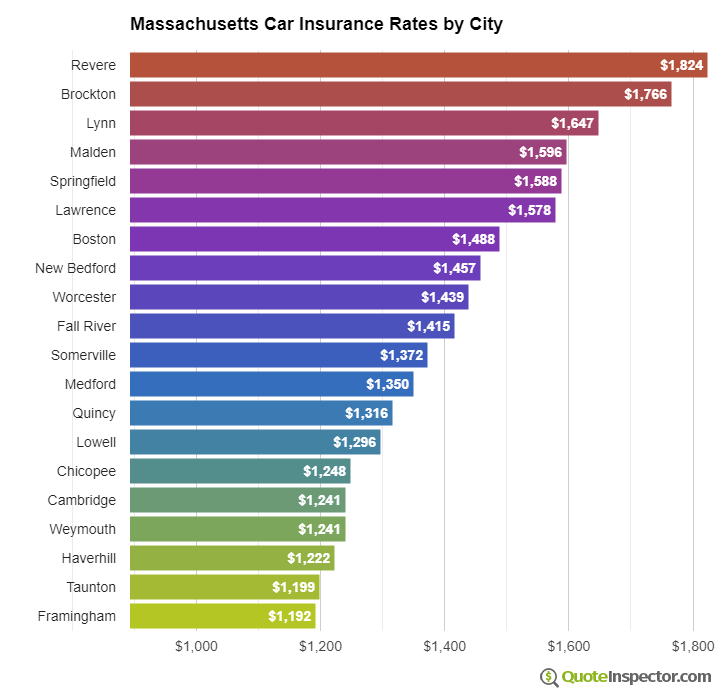
Where you live can significantly affect your insurance rates. Urban areas like Boston usually mean higher premiums due to increased traffic and accident rates. However, if you’re in a more rural part of Massachusetts, you might enjoy lower costs. Insurers look at crime rates and even weather patterns to determine your risk level based on location.
Legal Requirements for Auto Insurance in Massachusetts
Did you know that driving without insurance in Massachusetts can cost you up to $5,000 in fines? That’s right. Massachusetts isn’t playing around when it comes to auto insurance.
Every driver is legally required to have a minimum level of coverage. But what exactly does that entail?
Minimum Legal Requirements for Insurance Coverage
Every Massachusetts driver must have specific coverage levels. At a minimum, you need $20,000 per person and $40,000 per accident in bodily injury liability coverage. Plus, you’ll need $5,000 for property damage.
But hold on—that’s not all. Personal Injury Protection (PIP) is also a must, with a minimum of $8,000. Without these, you’re breaking the law and risking serious penalties.
Penalties for Non-Compliance
Ignoring these requirements isn’t just risky; it’s expensive. Getting caught without insurance leads to fines, license suspension, and even potential jail time. Do you really want to risk that?
Even if your insurance lapses for a short period, expect a hefty fine and additional fees to reinstate your license. Trust me, it’s much cheaper to comply than to neglect.
Additional Coverage Options to Consider
While the minimum gets you legally on the road, consider boosting your coverage. Options like collision and comprehensive coverage can save you a fortune in repair costs.
- Collision Coverage: Pays for your car’s repairs post-collision, regardless of who’s at fault.
- Comprehensive Coverage: Covers non-collision-related damages (think theft or natural disasters).
Here’s the deal: Going beyond the minimum might cost a bit more monthly, BUT it can save you thousands in unexpected events.
The Importance of Uninsured Motorist Coverage
Uninsured Motorist Coverage is often overlooked, but it’s crucial. Imagine getting hit by someone without insurance—who’s covering your tab then? You need protection.
| Coverage Type | What It Covers |
|---|---|
| Bodily Injury | Medical expenses for injuries caused by uninsured drivers. |
| Property Damage | Repairs for damages to your car by uninsured drivers. |
Pro Tip: Always opt for Uninsured Motorist Coverage to shield yourself against the unexpected.
Don’t underestimate the peace of mind that comes with knowing you’re covered, even if the other driver isn’t.
Comparing Auto Insurance Providers
There are over 50 auto insurance providers in Massachusetts. So, how do you pick the right one?
Let’s dive into the details of how you can compare these providers effectively. We’ll look at coverage options, customer satisfaction, and potential savings through discounts.
Coverage Options and Customer Satisfaction
To make an informed decision, you need to know which providers offer the best coverage and customer satisfaction. Here’s a quick comparison:
| Provider | Coverage Options | Customer Satisfaction Rating |
|---|---|---|
| Provider A | Comprehensive, Collision, Liability | 4.7/5 |
| Provider B | Liability, Personal Injury, Theft | 4.5/5 |
| Provider C | Collision, Roadside Assistance, Uninsured Motorist | 4.8/5 |
Evaluating Provider Reliability
You want a provider you can rely on when things go sideways. But how do you measure reliability?
Check their financial stability and customer reviews. Look for AM Best ratings and see what real customers are saying online.
Benefits of Bundling Auto Insurance
Bundling isn’t just for cable and internet. It can save you big with insurance too!
- Cost Savings: Providers often offer discounts when you bundle auto with home or renters insurance.
- Simplified Management: Keep all your insurance policies in one place for easier management.
Pro Tip: Bundling can save you up to 25% on your premiums!
Provider-Specific Discounts
Want to pay less? Look for provider-specific discounts.
Many companies offer discounts for safe driving, being a student, or even paying your premium in full upfront. These can significantly lower your premiums!
Cost-Saving Strategies for Auto Insurance
Did you know that you might be overpaying for auto insurance by up to 30%? The good news is, there are plenty of ways to cut down these costs without sacrificing coverage.
The key is to understand what affects your premium and how you can leverage various strategies to save. Here is the deal: by tweaking a few aspects of your policy, you can keep more of your money in your pocket.
Optimizing Your Deductibles
Your deductible is like a secret weapon for slashing insurance costs. By choosing a higher deductible, you can significantly reduce your premium. BUT, be prepared to pay more out-of-pocket if you file a claim.
Think of it this way: if you don’t file claims often, a higher deductible could mean big savings in the long run. Evaluate your financial situation and driving habits to determine the right balance for you.
Steps to Negotiate Better Rates
Don’t settle for the first quote you get. Following these steps can help you negotiate better insurance rates:
- Research multiple insurance providers and gather at least three quotes.
- Review your current policy and highlight areas for improvement.
- Contact your current provider with competitive quotes and ask for a match or better deal.
- Leverage your safe driving record to negotiate lower rates.
- Consider bundling multiple policies (like home and auto) for a discount.
By following these steps, you’re more likely to secure a deal that fits your budget and needs.
Pro Tip: Always ask about discounts. Insurance companies don’t always advertise every deal.
Available Discounts and How to Qualify
Insurance discounts are like hidden treasure. You might qualify for more than you think:
- Good Driver Discount: Maintain a clean driving record and you could save up to 15%.
- Multi-Car Discount: Insure more than one car with the same provider and see your savings stack up.
- Good Student Discount: Are you or your child a student with good grades? You might qualify for additional savings.
- Low Mileage Discount: Drive less than the average person and enjoy a lower premium.
- Safety Features Discount: Equip your car with anti-theft devices or advanced safety features to qualify for a discount.
Always inquire about specific eligibility criteria. Many of these discounts require documentation or verification, so be prepared!
Trends and Future Changes in Auto Insurance
Wondering what’s reshaping the auto insurance landscape in Massachusetts? You’re not alone. As technology evolves and climate change becomes more pressing, the way we think about auto insurance is changing fast.
The auto insurance industry is on the brink of transformation. Technological advancements, environmental shifts, and legislative changes are all shaking things up. But what does this mean for you?
Technological Advancements Impacting Insurance Offerings
Technology is revolutionizing how insurers assess risk. With the rise of telematics, real-time data from your vehicle can personalize your insurance rates. Cars are becoming smarter, and so are the policies. BUT, this means privacy concerns are skyrocketing.
Pro Tip: Embrace usage-based insurance if you’re a safe driver. It could drastically slash your premium.
Climate Change and Insurance Policy Requirements
The impacts of climate change are no longer ignorable. Severe weather events in Massachusetts are influencing how insurers calculate risk. Insurers are now factoring in potential damages from floods and storms more than ever before. Here is the deal: You might see higher premiums but also new coverage options.
Insurance policies are adapting to environmental realities, meaning you should be proactive in understanding new requirements.
Potential Legislative Changes Affecting Auto Insurance
Stay tuned for legislative changes that could impact your wallet. Future laws might enforce stricter environmental standards and road safety measures. These changes could directly affect your premium rates and coverage options.
Understanding pending bills and proposed regulations is crucial to staying ahead. The implications are clear: stay informed or risk being blindsided by changes.
Last Word
As you navigate the dynamic landscape of auto insurance in Massachusetts, remember that knowledge is your most valuable asset. With a clear understanding of the coverage options, legal requirements, and cost-saving strategies, you can confidently make informed decisions. So go ahead, drive with confidence, knowing that you’ve mastered the art of auto insurance in Massachusetts. Safe travels!
Common Queries
What is the average cost of auto insurance in Massachusetts?
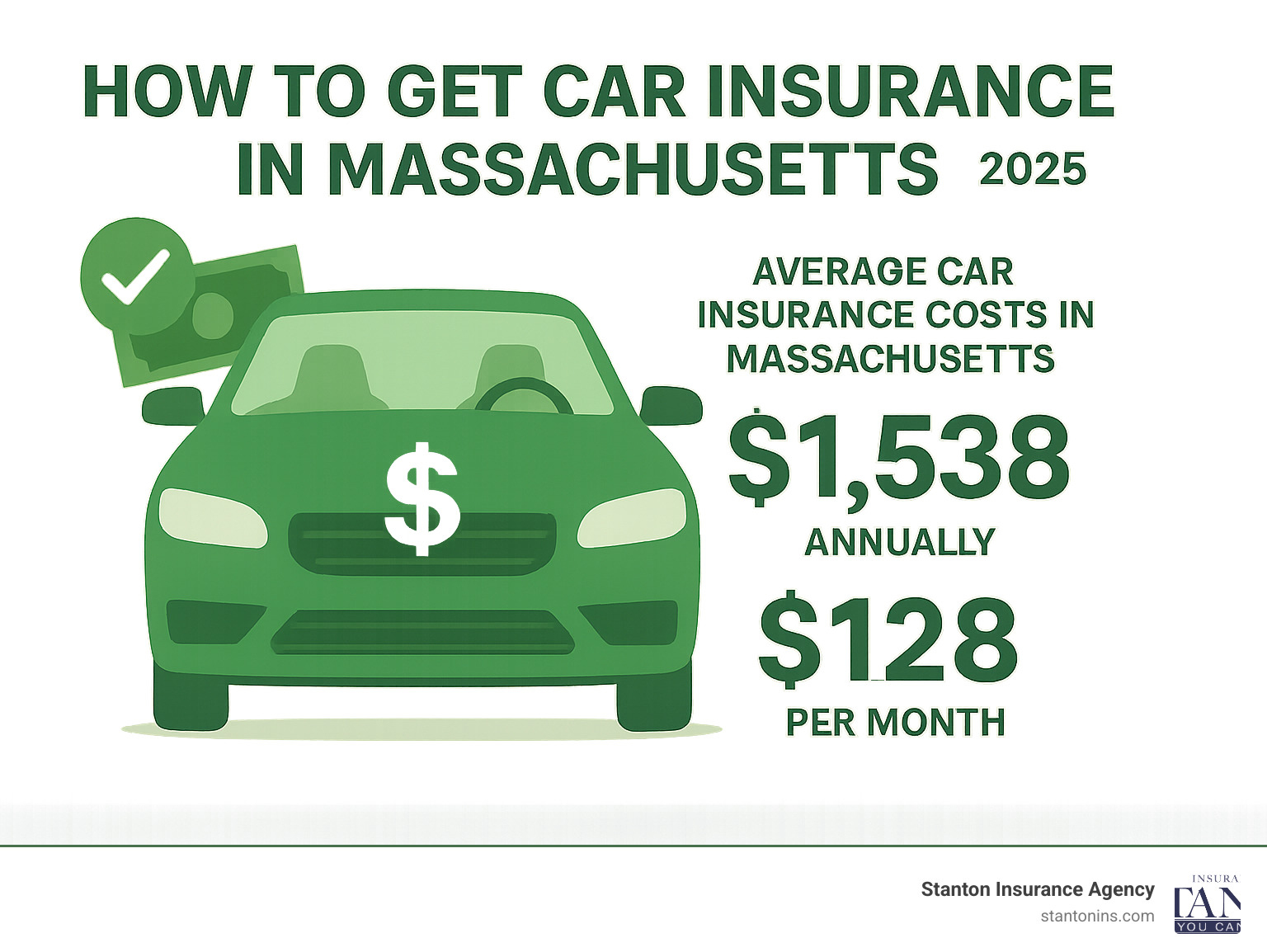
The average cost of auto insurance in Massachusetts is around $1,200 per year, but this can vary based on several factors like coverage type and driving history.
How can I reduce my auto insurance premiums in Massachusetts?
Consider options like bundling insurance policies, maintaining a clean driving record, and exploring discounts for safety features or defensive driving courses.
Is auto insurance mandatory in Massachusetts?
Yes, Massachusetts law requires all drivers to have a minimum level of auto insurance, including liability coverage to ensure protection against potential damages.
How does my location in Massachusetts affect my insurance rates?
Insurance rates can vary significantly based on your location, mainly due to factors like traffic density, crime rates, and accident statistics in your area.
What are the penalties for not having auto insurance in Massachusetts?
Failing to carry the required auto insurance can result in fines, license suspension, and increased future insurance premiums.

