Hey there, business trailblazer! Navigating the insurance landscape can feel like trying to solve a Rubik’s Cube in the dark. But don’t fret—whether you’re running a cozy café or a bustling tech startup, understanding the right insurance can safeguard your venture against the unpredictable. Welcome to your one-stop guide on the “three small business insurance commercial” essentials.
In this guide, we’re diving deep with a Backlinko flair, bringing you the lowdown on the different types of insurance that every small business owner should consider. From liability protection to workers’ compensation, we break it all down with real-life examples and actionable insights. Ready to unlock the secrets to fortified business operations? Let’s dive in!
Types of Small Business Insurance

Did you know that 40% of small businesses have never been insured? That’s a massive risk!
Small business insurance is crucial to protect against unforeseen losses. Let’s dive into the key types of insurance you need to consider.
Understanding the Different Types of Insurance
There are several types of insurance that every small business owner should know about. The big three? Liability, Property, and Workers’ Compensation.
Liability insurance is like your business bodyguard. It covers legal costs if someone sues you. Imagine a customer slipping in your store; liability insurance has you covered!
Then there’s Property insurance. This is your go-to if there’s damage to your business property due to fires, floods, or theft. Picture this: a fire breaks out and damages your equipment. Without insurance? You’re paying out of pocket.
Last but not least, Workers’ Compensation is essential if you have employees. It covers medical expenses and lost wages if someone gets injured on the job. No one wants an injured employee, BUT accidents happen.
Small Business Insurance Comparison
To make things easier, here’s a simple table comparing these three types of insurance.
| Type | Coverage | Cost | Benefits |
|---|---|---|---|
| Liability | Legal fees, settlements | Varies by risk | Protects against lawsuits |
| Property | Physical assets, inventory | Based on value of assets | Replaces damaged property |
| Workers’ Compensation | Medical costs, wages | Depends on payroll | Ensures employee safety |
The Importance of Having the Right Coverage
Here’s the deal: having the right insurance can be the difference between closing your doors and thriving. You don’t want to be another statistic.
Pro Tip: Always assess your business’s specific risks. Tailor your insurance to match those needs.
Without insurance, you’re vulnerable to financial ruin from just one accident or lawsuit. Be proactive, protect your business, and sleep soundly knowing you’re covered.
Benefits of Commercial Insurance for Small Businesses
Did you know that 40% of small businesses will experience a property or liability loss in the next 10 years? Shocking, right? That’s why having commercial insurance isn’t just an option—it’s a no-brainer!
Commercial insurance is your lifeline when disaster strikes. It provides a financial safety net, ensuring your business can weather unexpected storms and keep the doors open. But here is the deal: without adequate coverage, you could face crippling losses that might be impossible to recover from.
The Power of Financial Protection
Imagine running a business where you don’t have to constantly worry about potential disasters. That’s what financial protection from commercial insurance offers. It covers damages from fires, theft, and even lawsuits. This peace of mind allows you to focus on what you do best: growing your business.
- Minimizes financial losses
- Ensures business continuity
- Protects against legal claims
- Safeguards your employees and assets
Pro tip:
Don’t treat commercial insurance as an expense; see it as an investment in your business’s future.
Here’s a real-world scenario: A bakery in California survived a major earthquake because their commercial insurance policy covered structural damage and lost income during the rebuild. That’s right—proper insurance can literally save your business.
Selecting the Right Insurance Provider
Did you know that only about 50% of small businesses have the right insurance coverage? That’s a risky number!
Choosing the right insurance provider is crucial not just for peace of mind, but for the continued prosperity of your business. Here’s how you can make a smart choice.
Evaluating and Selecting an Insurance Provider
Start by doing your homework on potential providers. Look for those with strong financial ratings and a solid reputation in the industry. You don’t want to be left high and dry if they suddenly can’t cover your claims.
- Check their financial stability through independent rating agencies like A.M. Best or Moody’s.
- Search for reviews and testimonials from current and past clients.
- Assess their specialization in small business insurance.
Pro Tip: Reach out to your industry network for recommendations. Often, word-of-mouth can reveal more than any advertisement.
Criteria to Consider
You need to weigh several criteria when picking an insurance company. Think about the coverage they offer and whether it aligns with your business needs. Here’s the deal: a cheaper policy isn’t always better if it doesn’t cover what you need.
- Focus on the range of services and products they offer.
- Evaluate the flexibility of their policies. Can they customize to suit your business?
- Consider the cost-benefit ratio. Are you getting good value for what you pay?
Always prioritize customer service and claims handling. They can make or break your experience.
Comparing Insurance Providers
It’s essential to compare different providers side by side. Here’s a quick comparison to get you started:
| Provider | Ratings | Services | Cost |
|---|---|---|---|
| InsureCo | A+ | General Liability, Property | $$ |
| SafeGuard Inc. | A | Workers’ Comp, Cybersecurity | $$$ |
| BizShield | A- | Professional Liability, Auto | $ |
Remember, the insurance provider you choose can significantly impact your business’s resilience. Make an informed choice!
Cost Factors for Small Business Insurance
Did you know that your business’s location could skyrocket your insurance premiums? Let’s break down the cost puzzle of small business insurance.
Understanding what drives your insurance costs is crucial to getting the best rates. Factors like the size of your business, the industry you operate in, and where you’re located all play significant roles. BUT, here’s the deal: knowing how these elements impact your premiums can lead to major savings.
Factors Influencing Insurance Costs
The insurance game is a complex one. But, if you know what influences the cost, you’re halfway there. Business size is a prime factor. Bigger businesses often have higher premiums due to more assets and risks. Your industry type is another key player; high-risk industries, like construction, usually face higher costs. Don’t forget about location. A business in a flood-prone area will likely pay more for coverage.
Impact of Business Size, Industry, and Location on Premiums
Here’s how these factors stack up. A small business in a low-risk industry and safe location will enjoy lower premiums. BUT, a large manufacturing firm in a high-risk flood zone? Their premiums might be through the roof. That’s why understanding these elements is a game changer.
Calculating Potential Insurance Costs
Let’s put this into practice. Imagine you own a medium-sized tech startup in a bustling city center. You’re classified as a low-risk industry but pay higher premiums due to your urban location. To calculate: take the base cost for your industry, and adjust it for location and size. Voilà—your estimated premium.
| Factor | Impact on Premiums |
|---|---|
| Business Size | Increases with more assets and employees |
| Industry | Higher risk industry = higher premiums |
| Location | Risk-prone areas see higher costs |
Pro Tip: Always review your policy annually. As your business changes, so should your insurance needs.
Legal Requirements for Small Business Insurance
Did you know that many small businesses are skirting legal requirements by not having the right insurance? Skipping these legal mandates can lead to hefty fines or even force your business to shut down. Let’s dive into what you need to know.
Every state has its own unique set of laws when it comes to business insurance. Understanding these can be the difference between running a smooth operation and getting bogged down in legal issues. Here is the deal: if you’re not compliant, you’re putting your entire business at risk.
State-Specific Insurance Requirements
Each state has its own must-have insurance policies for small businesses. Missing any of these could spell trouble.
- California: Workers’ compensation insurance is mandatory for all employers, even if you have just one employee.
- Florida: If your business has four or more employees, you must have workers’ compensation insurance.
- Texas: Unlike most states, workers’ compensation insurance is not required, but if you don’t have it, you must notify employees in writing.
- New York: Disability benefits insurance is required in addition to workers’ compensation for businesses with employees.
Consequences of Non-compliance
Ignoring these legal requirements can have serious consequences. We’re not just talking about fines, but the potential of a lawsuit if an incident occurs and you don’t have coverage.
Pro Tip: Always double-check with your state’s department of insurance to ensure compliance.
Here’s how to make sure you’re on the right track. Step #1: Contact a trusted insurance provider who knows the ins and outs of your state’s laws. Step #2: Review your existing policies to ensure they meet state requirements. Step #3: Keep documentation updated to avoid any legal hiccups.
Tips for Managing Business Insurance Effectively
Did you know that 40% of small businesses have no insurance coverage at all? That’s a huge risk!
Managing your business insurance effectively can be the difference between bouncing back from a setback and going out of business. Let’s dive into how you can ensure your coverage is always up to date and aligned with your business needs.
Strategies for Reviewing Insurance Policies
The first step is to review your policies regularly. You should be looking at your coverage at least once a year to ensure it still aligns with your current operations. Businesses evolve, and so do their risks.
Here is the deal: if you’re not updating your policies, you might be leaving yourself exposed to unnecessary risks or paying for coverage you don’t need.
Pro Tip: Set a reminder on your calendar for an annual insurance review. This simple habit can save you money and stress.
The Importance of Regularly Updating Insurance Coverage
As your business grows, so do your liabilities. That means you can’t afford to let your insurance policies gather dust. Regular updates ensure you’re covered for new risks that come with expansion, like additional employees or new locations.
But how often should you update? At least annually, or whenever a significant change occurs in your business. A new product line or a shift in business model is a cue to revisit your insurance.
Best Practices in Insurance Management
Implement these best practices to manage your insurance effectively:
- Conduct an annual risk assessment.
- Meet with your insurance broker regularly.
- Update coverage after major business changes.
- Maintain organized records of all your insurance policies.
The Role of an Insurance Broker
An insurance broker is like a GPS for your insurance needs. They help navigate the complex world of policies and ensure you’re getting the best deal. Their expertise can save you both time and money.
Here is the deal: brokers have access to a wider range of insurance providers and plans than you might on your own. They can tailor a package that fits your specific business needs.
Closure
So there you have it, entrepreneur extraordinaire! With these insights into three small business insurance commercial types, you’re now equipped to make informed decisions that can shield your business from the unexpected. Remember, the right insurance isn’t just a safety net—it’s a launchpad for growth. Here’s to your business’s thriving future, armed with the protection and peace of mind only the right insurance can offer!
Q&A
What are the main types of insurance small businesses should consider?
Small businesses should consider liability insurance, property insurance, and workers’ compensation as foundational policies.
Why is liability insurance important for small businesses?
Liability insurance protects businesses from claims related to injuries, accidents, or negligence, safeguarding their financial stability.
How does commercial property insurance benefit my business?
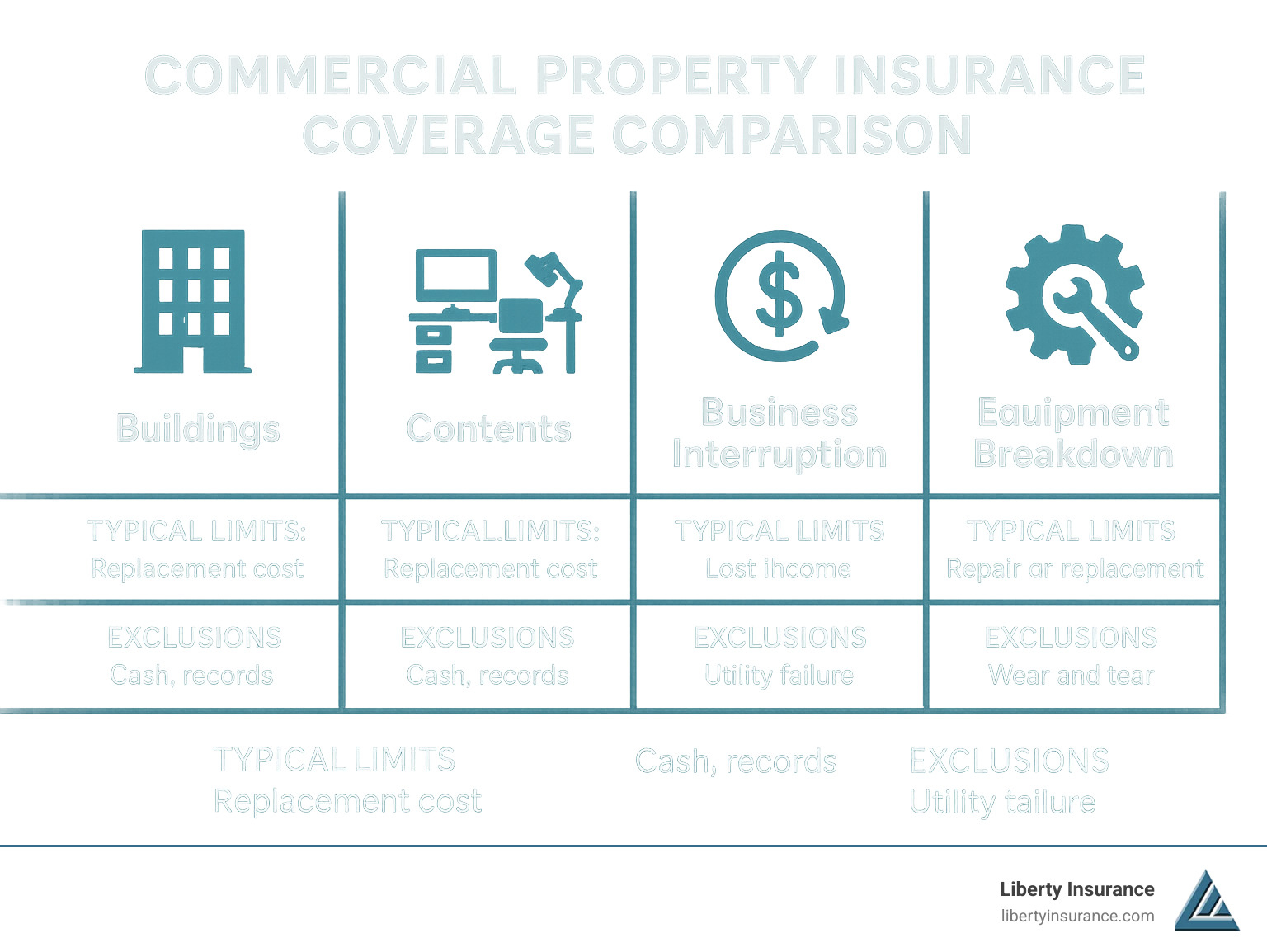
It covers physical assets like buildings and equipment against damages from events such as fires or theft, ensuring business continuity.
What risks do small businesses face without proper insurance coverage?
Without adequate insurance, businesses risk significant financial loss, legal issues, and potential closure from uninsured incidents.
How do I choose the right insurance provider for my small business?
Evaluate providers based on their ratings, services, cost, customer service, and claims handling efficiency.

